Distinguishing Flying Ants from Termite Swarmers
Distinguishing Flying Ants from Termite Swarmers
Seeing winged insects inside your home can be alarming, especially when you aren't sure if you're dealing with a nuisance or a structural threat. While they look similar at first glance, flying ants and termite swarmers have distinct physical characteristics. Understanding these differences is the first step in protecting your property and choosing the right solution.
Examine the Body Shape
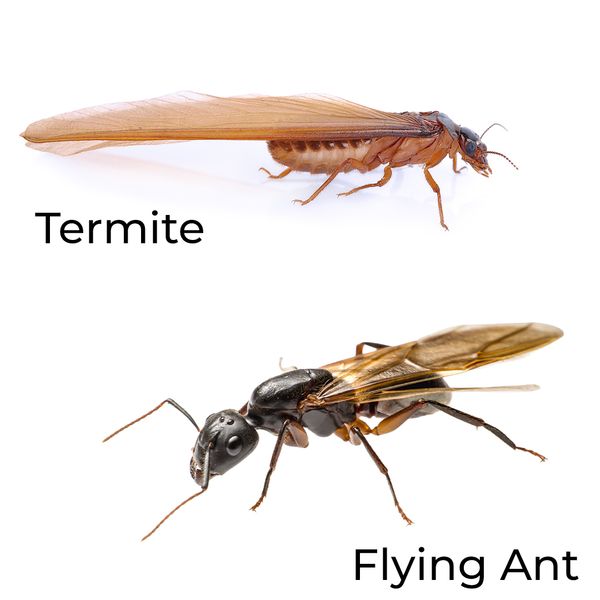
One of the easiest ways to tell these pests apart is by looking at their waist. Ants have a distinct, pinched "waistline" that separates their thorax and abdomen. In contrast, termites have a broad, straight body without a visible narrowing in the middle. This anatomical difference is a primary indicator for proper identification.
Compare Wing Length and Shape
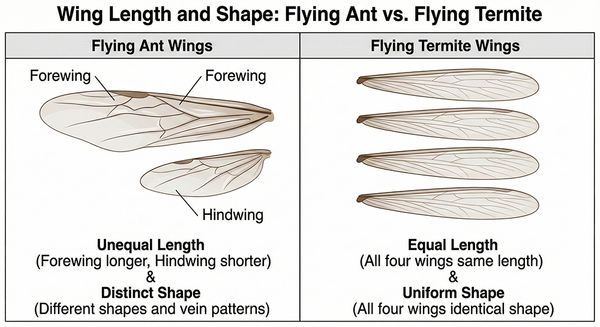
Both pests have two pairs of wings, but their proportions differ significantly. Flying ants have front wings that are noticeably longer than their hind wings. Termite swarmers, however, possess four wings of equal length and shape. Furthermore, termite wings are much longer than their bodies and are often shed shortly after they land.
Look at the Antennae
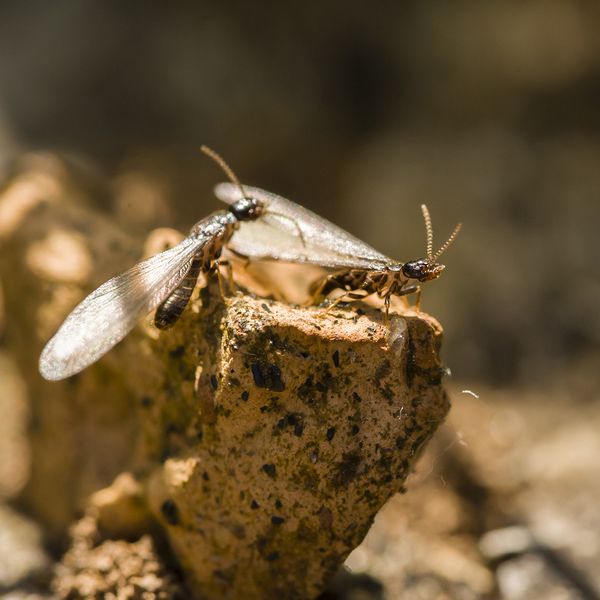
If you can get a close look at the insect's head, check the shape of the antennae. Ants have "elbowed" antennae that feature a sharp bend. This small detail is a reliable way to confirm which pest has made its way into your living space.
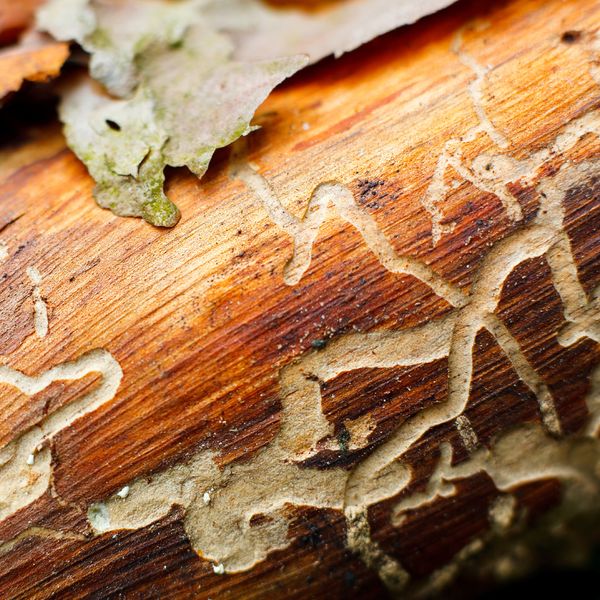
Analyze Wood Damage Evidence
Beyond physical appearance, the type of damage left behind provides clues. Termites consume cellulose, often leaving wood looking hollow or "layered" with mud tubes nearby. Identifying these signs early prevents long-term structural issues.
Identifying these pests correctly ensures you receive the most effective termite treatment or ant pest control for your specific situation. At Terminator Termite & Pest Control, we specialize in comprehensive termite and pest control services designed to safeguard your investment. If you suspect an infestation, contact us today for a professional inspection or to learn more about our preventative plans.